Skip to Main Content

June 04, 2021

The 7 Most Common Hair Color Mistakes—And How to Fix Them

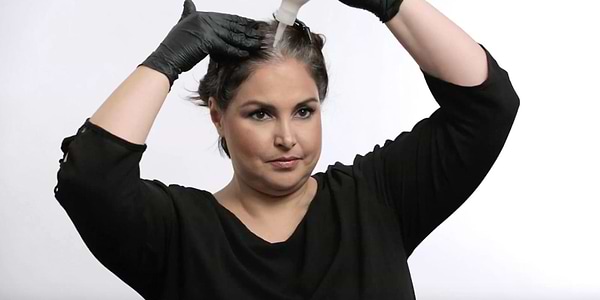
common hair color mistakes

Image by Madison Reed

Plastic gloves, your favorite old t-shirt, some permanent color box dye...what could go wrong? Well, just like everything in life, hair color doesn’t always turn out how you planned.

If you've made some dye job missteps, you are not alone. Fortunately, we've got solutions to your DIY disasters. No salon needed! Let's check out the most common hair color mistakes and ways to correct them!

1. “My hair color came out darker than I wanted.”

Hair color problems. We all know them. This hair dye blunder is all too common, especially for brunettes, and unfortunately, it's a little trickier to fix than if your color came out too light. But all is not lost. 

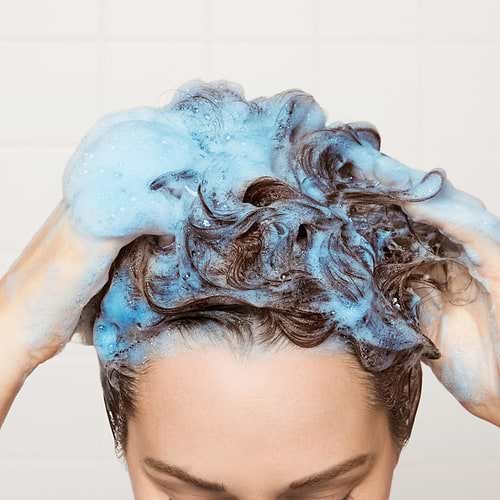
Before you reach for harsh color remover solutions that may create uneven color (or worse, damage your hair), look for a clarifying shampoo. Also known as purifying or detox shampoos, clarifying shampoos fade color and remove product buildup. Great for when you are trying to fade out color that's too dark. (Do not use a color-protecting clarifying shampoo; the idea here is to wash out as much color as possible.) Shampoo the too-dark areas a few times for maximum effectiveness. You’ll want to be sure to follow up with a moisturizing conditioner and only increase your washing frequency for a week or so to prevent drying out your hair. 

Another effective way to help gradually lighten your current hair color is to use our Prime for Perfection® treatment. Formulated without ammonia, bleach, peroxide, parabens, phthalates, or gluten, Prime for Perfection is a gentle, hair-loving formula that lifts artificial pigment to provide a gentle lightening effect, while creating a smooth base so your hair can optimally receive new color.

To ensure your color does not go too dark again, it is important to know that previously color-treated hair grabs color faster and darker than then natural un-treated hair. If you are applying color all over, it is best to wait to pull the color through your mid-lengths and ends until the last 10 minutes or avoid overlapping permanent color altogether by using a semi-permanent hair color on your mid-lengths and ends.

For extra help, it’s a good idea to call or chat with our Color Crew. You can even book a free virtual hair color consultation. Speaking with a Madison Reed pro is especially important if you are trying to go lighter or have chemically treated hair.

Sugar Land_Madison Reed Hair Color Bar Interior

Free Color Consultations

Visit a Hair Color Bar

Sugar Land_Madison Reed Hair Color Bar Interior
Learn More

2. “I’ve bleached my hair to the breaking point.”

Let's face it: bleach can be brutal on hair. Handle bleached hair gone wrong with the utmost care. First, consider getting a trim to remove the most damaged strands, so your hair will grow back healthier than before. Once the worst of it is chopped away, try Bonding Time to strengthen hair and rebuild bonds compromised by the highlighting process and prevent future breakage. We also recommend swapping out your usual conditioner for a concentrated hair treatment like Pro Boost: Hydrate or Strength to restore strength to your strands (this is single use and can be used every 2-3 times you shampoo). Lastly, if you don’t already use Tame smoothing cream, start now. It conditions your ends, adds shine, and controls frizz.

Remember: once you bleach, it’s hard to go back to your natural color. You’ll want to maintain a regular dyeing schedule and avoid overlapping bleach applications. Bleach is hard on your hair, but it’s not impossible to pull off—just ensure that you are nourishing your hair every step of the way.

3. “I'm seeing red. So. Much. Red.”

Let's face the next hair color mistake. If your hair color turned out too fiery for your taste, don’t panic. We've got some tips and tricks to take the edge off and get you on your way to your ideal result.

If your goal was a rich warm shade but ended up too red, there are a few ways to help cool things down. First, if there is a lot of red pigment in the hair you can use a clarifying shampoo or gentle color fader such as Prime For Perfection to help wash out some of the red. Next, go in with a cool-toned gloss to help counteract and neutralize the red tones. Color Reviving Gloss in Espresso will add much-needed cool, ash tones to neutralize and tone down unwanted red. To continue to help control warmth before your next coloring session you can use a color-depositing mask that will also help tone down red while hydrating and conditioning your hair at the same time. Color Therapy Mask in Caffe is a great go-to.

So, what shade should you use to color your hair next? If you are looking for a warm, yet not red, result you can go for a brunette shade that has gold, beige or maybe very subtle auburn undertones (like mahogany) to see a glimmer of warmth and richness without adding pure red. One important tip - the lighter the color you use, the more warm tones are exposed, and natural hair that is darker will read those warmer tones more, so it is tricky to go lighter on already dark hair. If you are a level 5 dark brown, an auburn brown will look redder on your hair than on someone that is a natural level 6 medium brown. For the full breakdown of every level and letter, see our hair color chart.

Wondering what the numbers and letters on a hair color box mean? The number is the level, how light or dark, running from 2 (black) to 10 (light blonde), and the letters are the tone (warm, neutral, or cool), so Vesuvius Red 7NCR is a level 7 with Neutral Copper Red tones. For the full breakdown of every level and letter, see our hair color chart.

need-a-boost
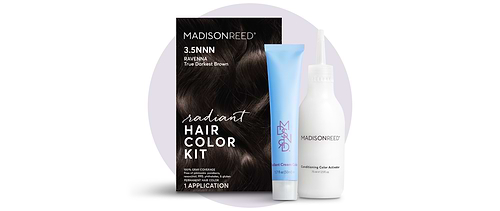
Madison Reed hair color box and activator with level and tone information


Seeking a long-term solution? If your color still tends to turn red or brassy when you color, then you may want to try going with a slightly darker shade. The lighter the color, the more warm tones are exposed.

Taking the Color Quiz

Find the Perfect Shade

100% Gray Coverage

Taking the Color Quiz
Go Now

4. “My ends have turned green. Send help.”

A green muddy color on your ends typically occurs when you are going from blonde to brunette and choose a color that is too cool, smokey or ash in tone. If you are blonde going darker, you want a shade that has some warmth in it. Warmth (such as gold, copper or mahogany) is what is needed to fill in the existing light color so that you end up with a balanced tone. Otherwise, that is when your mid-lengths and ends may turn an unwanted greenish hue.

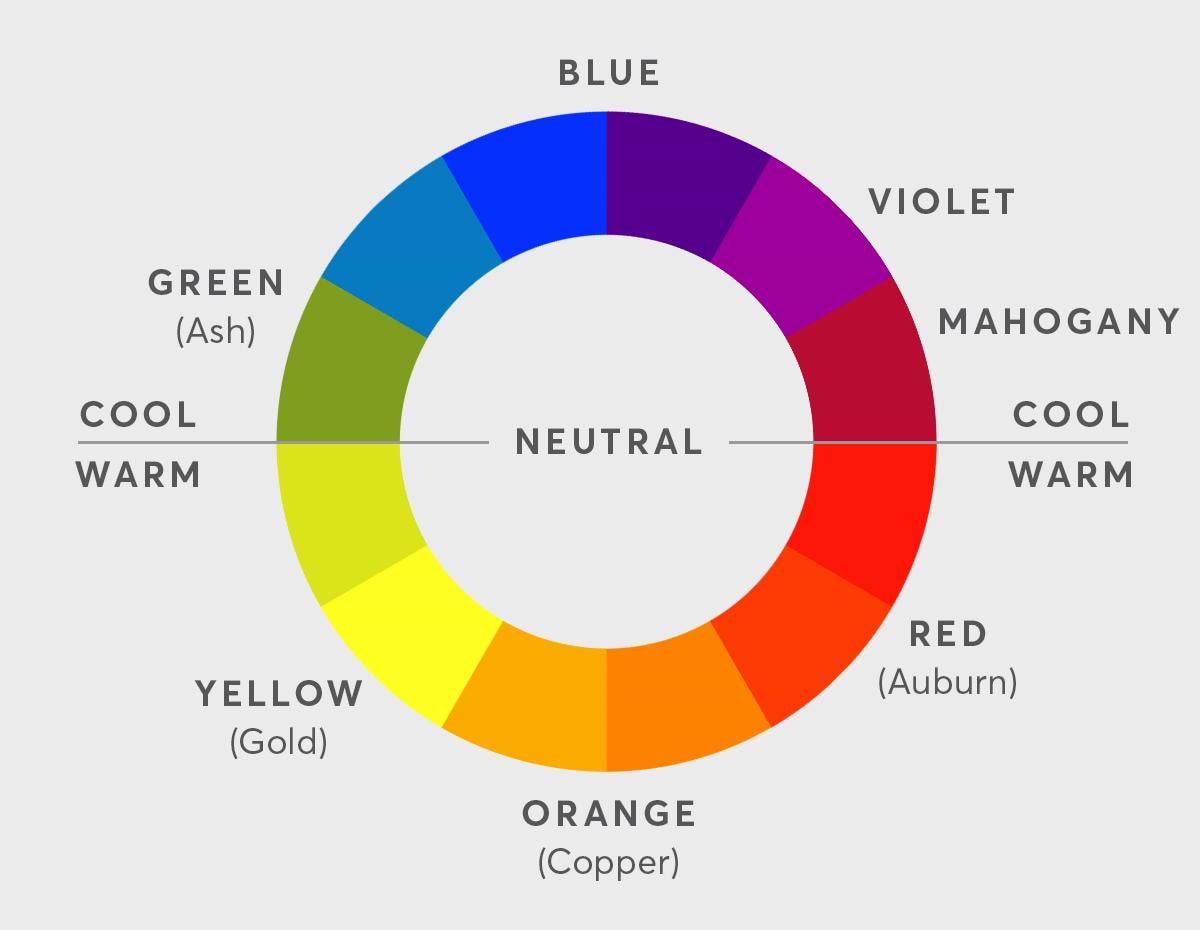
To find a solution if this happens, look to the color wheel. You want to look for colors that sit opposite each other on the color wheel, so they can cancel each other out. Green sits opposite of red on the color wheel, so when it's safe to color your hair again (wait at least two weeks), look for a warm brunette shade with reddish or golden undertones. Opt for a shade that's the same level or even one level lighter than the original shade you used to ensure you do not go too dark.

Hair Color Tones
Plum and then Some - Before - Dark

Find Your Perfect Shade

Take our 2 minute quiz to get your colorist-approved hair color match!

Take the quiz

5. “My roots are oh-so, oh-no, orange.”

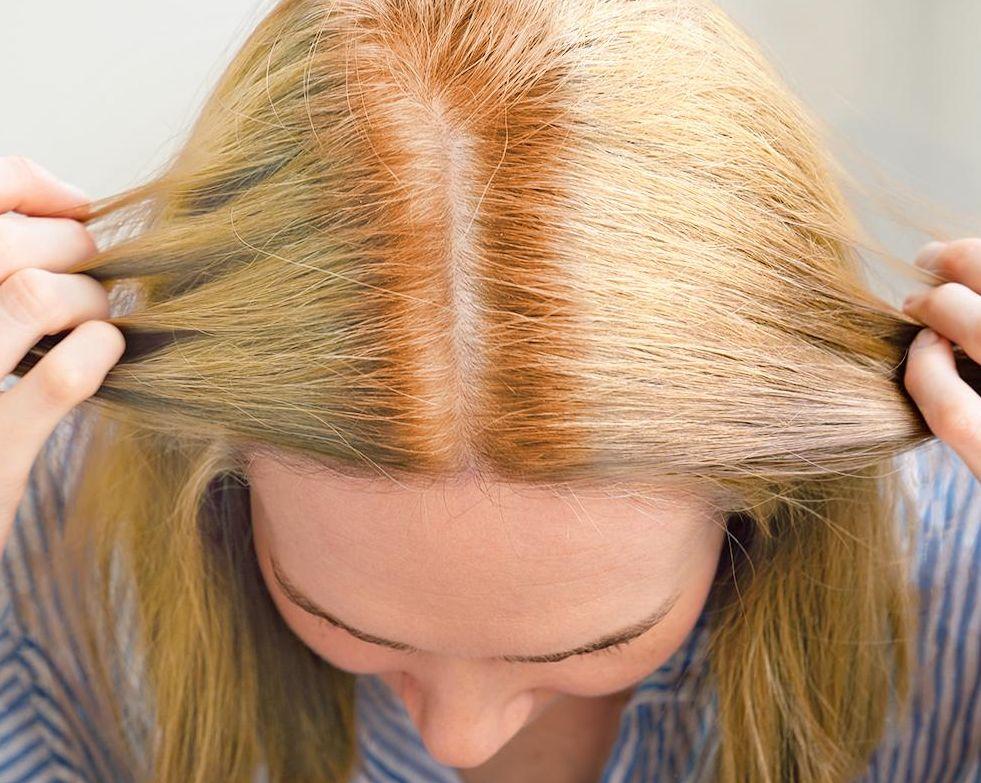
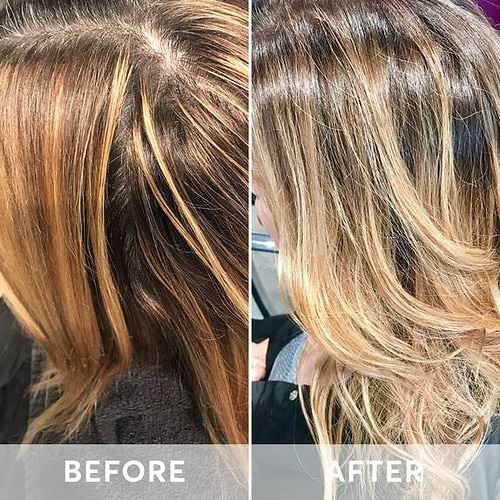
Before your so-called hot roots send you into a fiery rage, let’s get to the root of the issue first. (Too soon?) “Hot roots” mean the hair closest to your scalp is too bright or warm. There are two reasons hot roots occur. Either a shade was used that was too light, and/or a shade was used that does not have enough cool or ash tones in it. This can create an unwanted bright and warm result.

hair color mistake - how to avoid hot roots

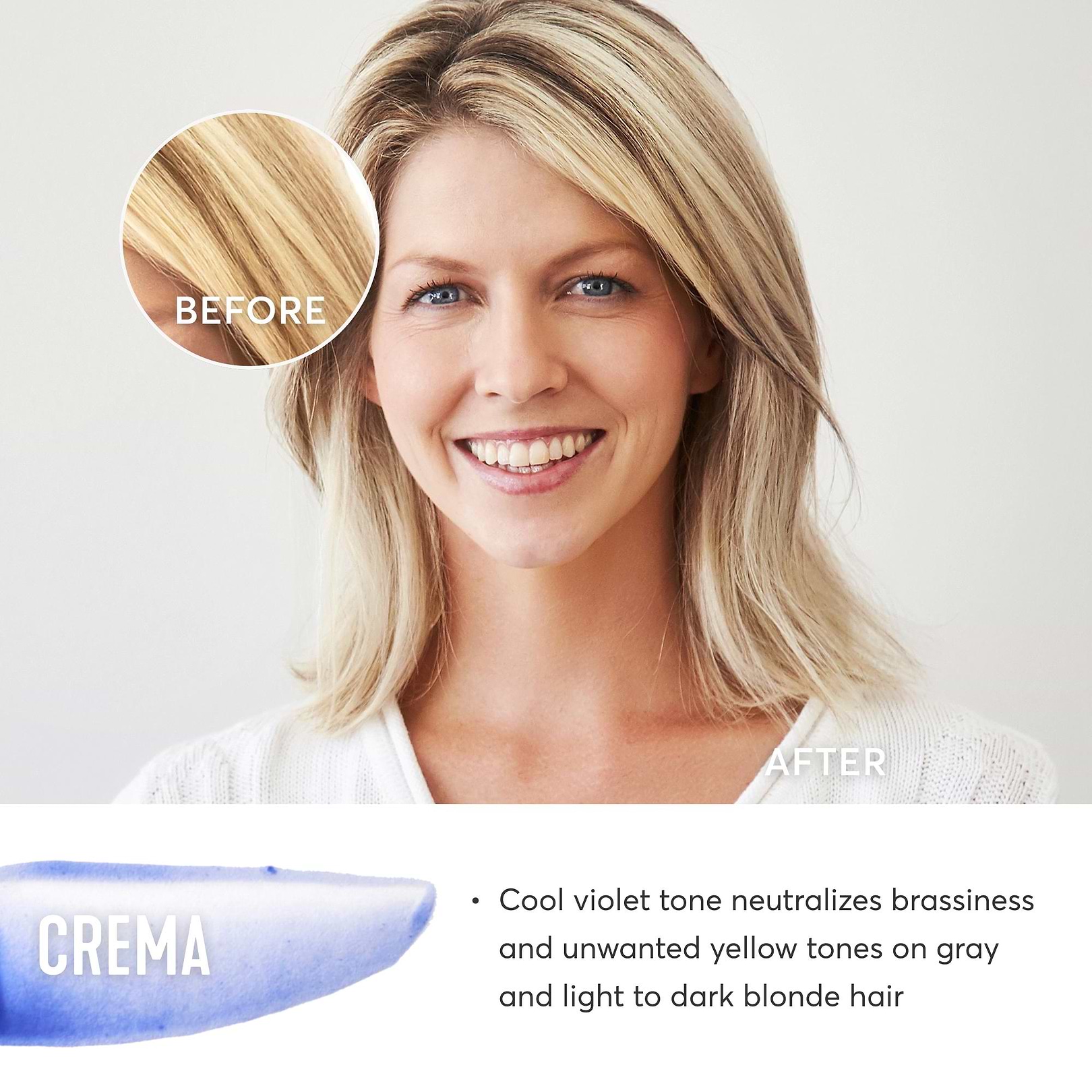
Whether you’re dealing with actual orange hair or your roots are just noticeably lighter than the rest of your hair, turn to the color wheel and make a corrective color plan. What sits on the opposite side of the color wheel from yellow? Violet. Use cool violet Color Reviving Gloss in Crema on your roots to neutralize brassiness. The next time you color, opt for a shade that’s either one level deeper or one that has more ash, cool, or smoky tones in the formula.

Reminder: when you have color-treated hair, every time you color you only need to apply permanent color on the roots. Use a semi-permanent gloss on your lengths to refresh and tone your existing color so you do not go too dark on the ends.

Crema adds cool violet tones to neutralize brassiness and unwanted yellow tones on gray and light to dark blonde hair

6. “I wanted sassy, but got brassy.”

When you’re dyeing your own hair, you can’t always predict how your hair will respond to color—particularly if it’s been color-treated before. Here’s how to fix brassy hairnow, plus a few long-term solutions to prevent it from happening again:

- Incorporate hair color correction into your routine.If you’re not ready for another permanent dye or bleaching treatment, but want to tone down brassiness in your hair, reach for Color Therapy or Color Reviving Gloss. This color depositing hair mask can add cool tones that help cancel out yellow and orange hair color. For blonde or gray hair, use the Perla shade. If you’re a brunette, opt for the Caffe shade to add ashy tones. 

- Limit your hair’s exposure to chlorine and UV rays.Common swimming pool chemicals as well as sun exposure can bring out less-than-amazing brassy tones in your hair. If you spend time in a pool, rinse your hair as soon as you get out, or better yet - get your hair wet and apply conditioner before getting in to act as a barrier against the chemicals and minerals. It is also ideal to use a UV protectant if you are out in the sun.

- Consider your hair’s base color before coloring again. If your natural hair color is darker than your target shade, you will want to choose a formula that has cooler tones in it to help control the underlying warm tones in your hair. You can always visit a Madison Reed Hair Color Bar for a consultation witha licensed colorist to ensure you choose a new hair color that will give you the results you want.

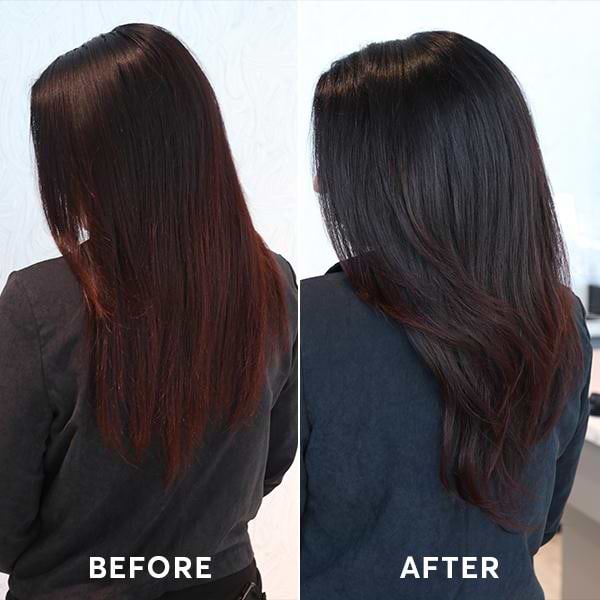
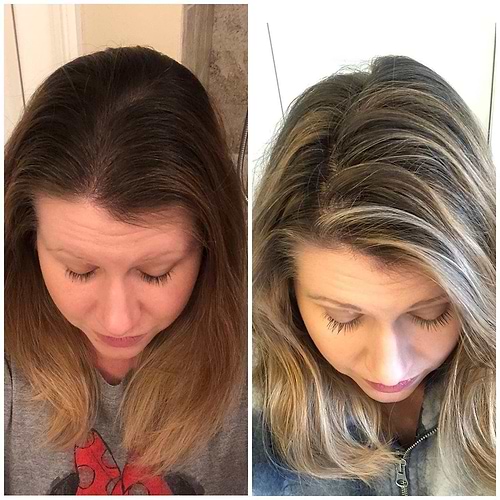
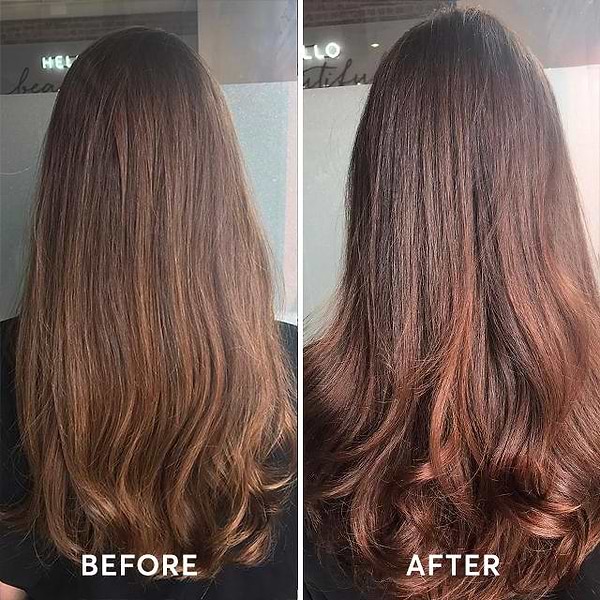
before and after results of a brunette using Caffe Color Therapy to help tone brassiness down by adding smoky ash tones

7. “My hair color is faded… but I just finished applying it.” 

You expect your hair to fade some between colorings. But you JUST applied your box dye a few days ago, and your hair already looks lackluster and faded. Whether you used a shampoo that stripped the color too much, too fast, or just didn’t leave the dye on long enough, don’t fret. 

Before you reach for another permanent hair color (which could easily make your hair too dark), try asemi-permanent Color Reviving Gloss that will enhance and refresh your new hair color. You'll enjoy glossy hair with a serious color boost, and you may even be able to go longer between all over coloring treatments in the future.

Gloss-smears


Uneven hair color, patchy, blotchy, or darker in some spots than others, usually happens when color takes differently along previously colored lengths versus new growth, or when the application misses full saturation. Start by identifying the pattern, then match the fix:

      Brighter or warmer at the roots? Treat it like hot roots (see #5 above): neutralize with a cool gloss such as Crema or Espresso, and choose a more neutral or ash shade the next time you color.

      Darker in patches? Use a clarifying shampoo or Prime for Perfection on the too-dark areas to fade the color so it blends closer to the rest of your hair.

      Uneven in tone or gray coverage? This could be due to uneven application and saturation of color. Next time you color, try using a brush and bowl to apply your color for an easy and uniform result.

Whatever the pattern, the right color application is what prevents it from happening again. Section your hair thoroughly, saturate fully at the roots and don't rush it; most at-home unevenness traces back to spots that simply got less color.

Keep in mind that previously colored lengths take new color differently than fresh regrowth, which is a common source of patchiness. Process the color for less time on your lengths to mitigate this. You can also prep your hair with a pre-color treatment like Prime for Perfection which creates a smoother, more even base so your next application takes evenly from root to tip. If uneven color is severe or involves bleached hair, a licensed colorist is the safest next step.

Here's the good news: while there are many ways that hair color can go wrong, there are even more ways for hair dye to be corrected. From clarifying shampoos and hair color removers like Prime for Perfection to glosses that counteract unexpected tones and color depositing masks that neutralize unwanted brassiness, help is out there. 

Don’t forget, if you need an extra hand, call or chat with our Color Crew. You can even book a free virtual consultation with a licensed colorist for advice on picking the perfect new hair color. Or, let a licensed colorist do it all for you at one of our 95+ Madison Reed Hair Color Bars.

The most important advice we can give you for DIY hair dye gone wrong? Stay calm, breathe deeply, and remember that, with a bit of time and a lot of TLC, you’ll have the hair you want in the not-so-distant future. And you’re going through a lot right now, so this is not the time to make a major life decision ... like cutting bangs.

Need inspiration? Check out our stunning hair color ideas.

If you realize the shade isn't right, you're covered. Your first box of Madison Reed hair color is backed by our 100% Money Back Guarantee: if you're not happy with your color, contact our Color Crew within 30 days of your first purchase for a refund. When you're ready to try again, our Color Quiz and licensed colorists can help you land on the right shade the first time. See guarantee details.

Share Your Photos: #MADISONREEDCOLOR