Skip to Main Content

August 12, 2026

What's In Box Dye? Every Ingredient, Explained

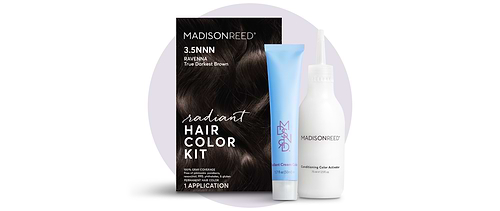
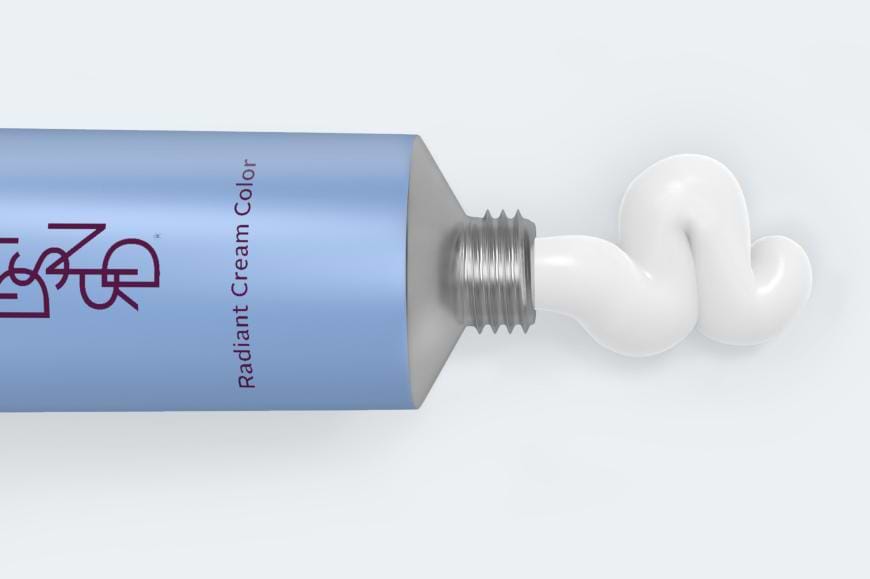
tube of madison reed radiant cream color showing the hair color formula

Image by Madison Reed

Box dye is at-home permanent or demi-permanent hair color sold in a boxed kit for do-it-yourself application. Most box dyes rely on the same core categories of ingredients - an alkalizing agent to open the hair cuticle, a dye base, a color coupler to develop tone, a developer, and various conditioners and emollients - but the specific ingredients in each category vary widely between brands. Below, a category-by-category look at what's typically in box dye, whether it's actually bad for your hair, and how box dye compares to salon color and Madison Reed.

What's in most box dyes: the core ingredients

Every permanent and demi-permanent hair color contains a few functional categories of ingredients. Here's what each does, what's commonly used in box dye, and what Madison Reed uses instead in our Smart 8-Free formulas which are formulated without ammonia, parabens, resorcinol, PPD, phthalates, gluten, SLS, and titanium dioxide.

Ingredient category

Common in box dye

What Madison Reed uses instead

Alkalizing agent - opens the hair cuticle so color can deposit

Ammonia. Effective but has a strong odor, and exposure to its fumes can irritate the skin, eyes, throat, and lungs.

Ethanolamine - ammonia-free, no-odor. Opens the cuticle for permanent color without the unpleasant smell.

Dye base for covering gray hair - builds rich, deep shades

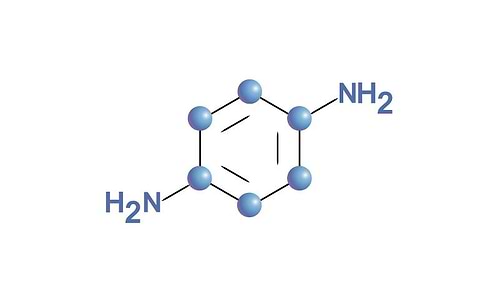
PPD (para-phenylenediamine). A well-documented allergen and one of the more common causes of allergic reactions to hair dye.

PTD (Toluene-2,5-Diamine Sulfate). Used for covering gray hair and creating rich, deep color. Known to have a lower likelihood of allergic reactions than PPD.

Color coupler - reacts with the dye to develop true, even, and beautiful color

Resorcinol. Classified as an irritant by the European Union and a known skin sensitizer.

2-Methylresorcinol. Classified by the EU Scientific Committee on Consumer Safety as a lower-grade skin sensitizer than resorcinol.

Preservatives - prevent bacterial and fungal growth

Parabens (often methylparaben, propylparaben). Ongoing research on possible endocrine effects.

Alternative preservatives. No parabens.

Surfactants - often included in the post-color shampoo or peroxide developer

SLS (sodium lauryl sulfate). A harsh surfactant that can strip protein and protective oils from hair and scalp.

Sodium laureth sulfate - gentler alternative for even application and complete color removal.

Anti-clumping / opacifier

Titanium dioxide. Some evidence suggests high concentrations of pigment-grade or ultrafine forms may be linked to health concerns.

No titanium dioxide.

Solvents / plasticizers

Some formulas include phthalates (banned in many EU applications).

Formulated without phthalates.

Protein protectants during processing

Wheat-derived proteins that may contain gluten.

Keratin - a naturally occurring hair protein, not wheat-derived.

Conditioning ingredients

Silicones, oils, and various conditioners depending on brand.

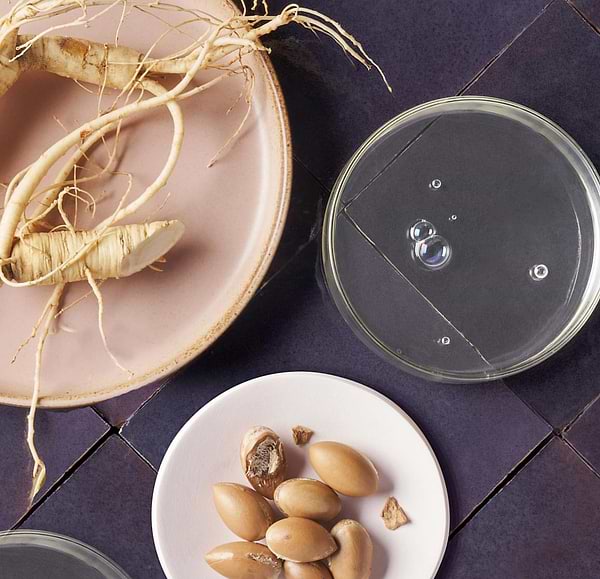
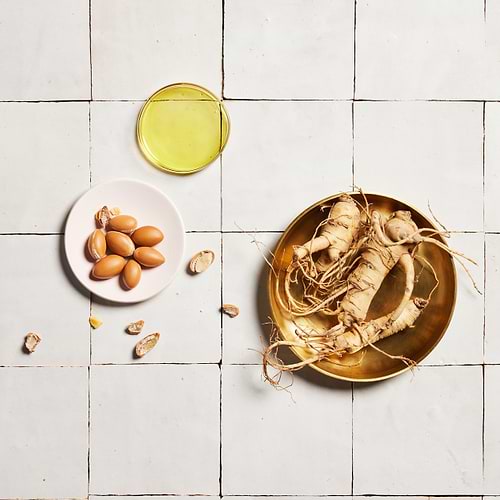
Keratin, argan oil, and ginseng root extract.


For deeper dives, see: all about ammonia-free hair color · PPD and why we don't use it.

Is box dye bad for your hair?

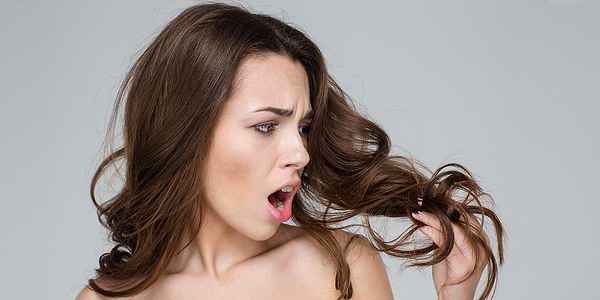
Box dye isn’t necessarily “bad” for your hair, but hair color can cause damage. The degree of damage depends on factors like the formula, your hair’s condition, how the color is applied, and how often it’s processed.

Beyond potential damage, common concerns with box dye tend to fall into four practical areas: ingredient sensitivity, shade selection, application challenges, and the risk of overprocessing. Understanding each can help you know what to look for in any at-home hair color, whether it’s ours or another brand’s.

1. Ingredient sensitivity

Any hair color contains ingredients that can cause skin irritation or allergic reactions in susceptible people, including ammonia, PPD, and resorcinol. This isn't unique to box dye, but the specific ingredients used vary widely between brands, so reading the label matters. A patch test 48 hours before every application is recommended by dermatologists and cosmetic regulators for every hair color product on the market.

2. Shade selection

Box dye is typically chosen from a color chart printed on the box, sometimes with a small strand of dyed hair to reference. But choosing the right color for your hair and your goals can be more complex than matching a shade. Your starting color, natural undertones, amount of gray, and previously colored hair can all affect the final result. It’s also important to consider what you’re trying to achieve, whether that’s blending grays rather than covering them, going darker, or trying to lighten. Without personalized guidance, it can be easy to choose the wrong shade or unnecessarily overprocess your hair.

3. Application challenges

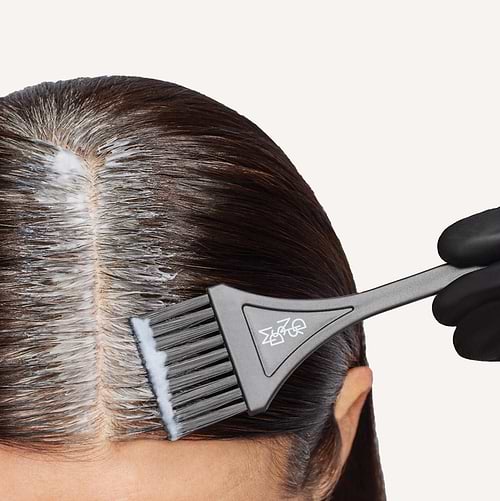
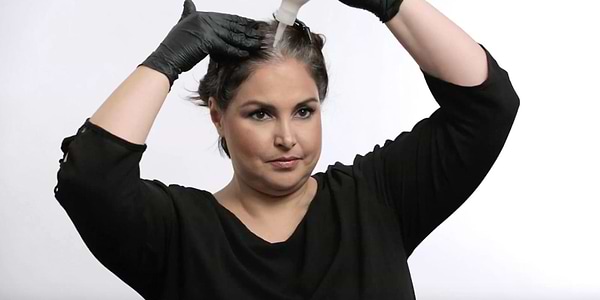
Applying color evenly at home - especially to the back of your head - takes practice. Uneven application, overlap onto already-colored hair, and inconsistent processing time can all affect the result and the condition of your hair afterward.

4. Overprocessing risk

Coloring over previously-colored hair (overlap application) is one of the biggest sources of avoidable hair damage from any at-home coloring. Repeatedly applying permanent color to the same lengths - as opposed to just the new root growth - layers processing on top of processing can compromise the hair over time.

A well-formulated at-home hair color plus a careful application technique can produce results comparable to salon color. The variables that matter most are the specific formula, the accuracy of your shade match, and how carefully you apply it.

Box dye vs. salon color vs. Madison Reed

Here's how the three most common ways people color their hair compare at a glance:


Traditional box dye

Salon color

Madison Reed

Where you apply it

At home

In salon

At home

Typical cost

$10–$20

$75–$200+

Mid-range subscription or one-time

Shade guidance

Color chart on box

Colorist consultation

Online color quiz + free video consultation with a licensed colorist

Formula format

Often gel-based

Varies

Cream conditioning base

Ingredient standard

Varies widely by brand

Varies widely by brand

Smart 8-Free formula (formulated without ammonia, PPD, resorcinol, parabens, phthalates, gluten, SLS, and titanium dioxide)

Time per application

~30–45 min

~1–3 hours

~30–45 min

Clinically tested formula

Varies by brand

Varies by brand

Yes - see clinical & consumer results


See the full clinical and consumer study results in our clinically tested claims summary.
Frequently Asked Questions About Box Dye

 
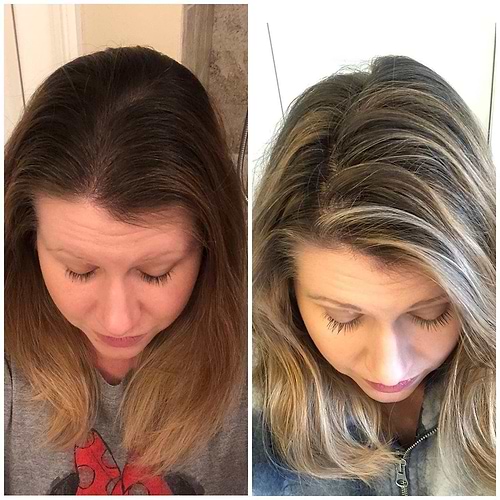
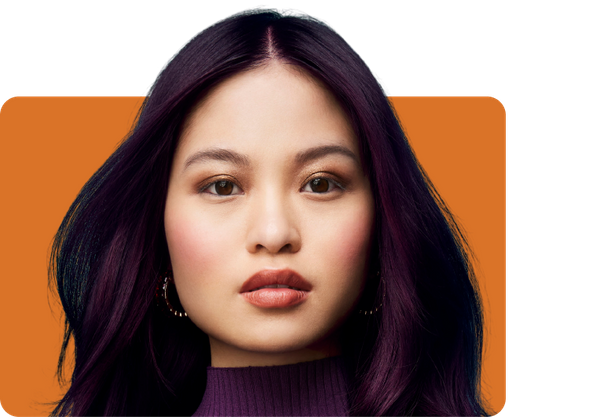
Plum and then Some - Before - Dark

Find Your Perfect Shade

Take our 2 minute quiz to get your colorist-approved hair color match!

Take the quiz

Is box dye bad for your hair?

Box dye isn’t necessarily “bad” for your hair, but hair color can cause damage. The most common concerns are ingredient sensitivity (some box dyes contain ammonia, PPD, resorcinol, and other ingredients that can cause irritation), shade-matching without professional guidance, and overprocessing from repeated overlap application. Look at the ingredient list, patch test 48 hours before application, and apply color only to new growth when touching up.

What ingredients in box dye should I be aware of?

The ingredients most often discussed in permanent hair color are ammonia, PPD (para-phenylenediamine), and resorcinol. Ammonia is a strong-smelling alkalizing agent that can irritate skin, eyes, and lungs. PPD is a common allergen. Resorcinol is a known skin sensitizer. Whether to avoid any specific ingredient is a personal decision - reading the full label and patch testing before use is the most reliable approach.

Is Madison Reed considered box dye?

Madison Reed is at-home hair color, but it's formulated to a different ingredient standard than most box dye. Every formula is Smart 8-Free - formulated without ammonia, PPD, resorcinol, parabens, phthalates, gluten, SLS, and titanium dioxide - crafted in Italy to EU standards, and clinically tested for its effect on hair and scalp.

Can I switch from box dye to Madison Reed?

Yes. Most people can switch to Madison Reed without any prep beyond a standard patch test 48 hours before application. If you've heavily colored your hair with box dye - especially with darker shades or over many years - take our color quiz or book a free video consultation with a licensed colorist to help pick the right shade and application approach for your starting color.

Is salon color better than box dye?

Salon color has the advantage of professional application and shade consultation, which addresses two of the biggest challenges with home coloring. It doesn't automatically mean better ingredients or better hair health outcomes - salon color varies widely by formula. The most meaningful comparison is between the specific formula and the specific application, not the location.

For a full breakdown of what's in Madison Reed color and why, see our hair dye ingredients & safety page.

Share Your Photos: #MADISONREEDCOLOR