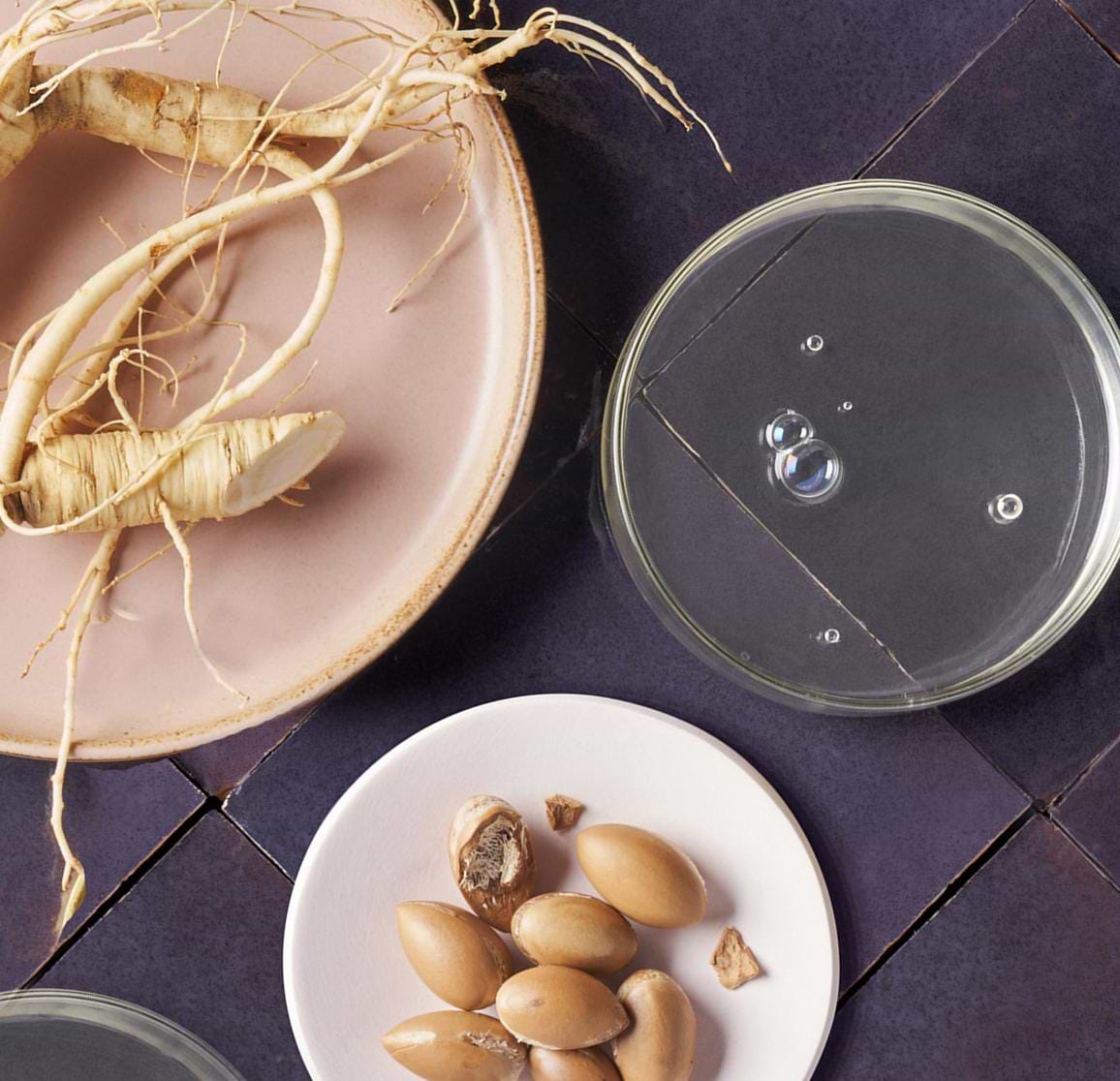
"Natural hair dye" doesn't have a single standard meaning. "Natural," "clean," and "non-toxic" are unregulated marketing terms in cosmetic labeling - no legal definition governs when a brand can use them or what has to be true about the formula underneath. Different brands use them in different ways, and the label alone doesn't tell you what's actually in (or out of) a formula. Below are what these terms typically mean in hair dye labeling, how henna and true plant-based dyes work and where they fall short, and how to compare label claims meaningfully.
What "natural," "clean," and "non-toxic" mean in hair dye
None of these terms has a legal definition in cosmetic labeling in the US. That doesn't mean brands using them are being dishonest - most have their own internal definitions - but it does mean two brands using the same word can mean very different things.
"Natural"
Typically used to describe hair dye formulated with plant-derived color ingredients (like henna or indigo), or used to describe formulations that contain a certain % of naturally-derived ingredients (typically 90+%). Because there's no standard definition, "natural" on a hair dye box can range from a pure henna paste to a conventional dye with a shorter synthetic-ingredient list than the brand's other products.
"Clean"
A beauty-industry marketing term, generally meaning free of ingredients the brand considers questionable. Definitions vary widely - one brand's "clean" list might exclude parabens and sulfates; another's might exclude 30+ specific ingredients. The word itself doesn't tell you which.
"Non-toxic"
Implies the product contains no toxic ingredients. In practice, toxicity depends on concentration and use, and no cosmetic sold to consumers should contain acutely toxic ingredients at unsafe levels. When used as a marketing term, "non-toxic" generally means a reduced-synthetic formulation - but again, the specific ingredient standard varies by brand.
Henna and plant-based dyes: how they work
The most common truly plant-derived hair color is henna, made from the leaves of the Lawsonia inermis plant. When applied to hair, henna's active dye molecule (lawsone) binds to the hair's keratin protein, depositing color primarily on the outside of the strand.
Traditional henna produces red, orange, and reddish-brown tones. Other colors are achieved by combining henna with other plants - indigo (Indigofera tinctoria) for blue-black shades, cassia for lighter tones. "Pure" henna without additives is generally considered a low-irritation option for people who tolerate it, though allergic reactions are still possible.
The limits of henna and plant-based dyes
Plant dyes have real strengths, but also real limitations that make them the wrong fit for many people:
- They can't lighten hair. Plant dyes deposit color only - they don't lift or lighten your natural pigment. If you want to go blonder or brighter, plant dyes can't do it.
- Limited shade range. Reds, oranges, browns, and (with indigo) blacks are achievable. True blondes, cool ash tones, and vivid fashion colors generally aren't.
- Long, messy application. Traditional henna is typically mixed into a paste and left on for several hours. It stains skin, nails, and surfaces.
- Difficult to color over later. Hair previously dyed with henna can react unpredictably with subsequent chemical color, sometimes producing unexpected results.
- Gray coverage varies. Henna can cover gray, but the result tends toward warm tones (reds and oranges) unless combined with other plant dyes, and coverage isn't as opaque as permanent chemical color.
- "Black henna" is a safety concern. Products marketed as "black henna" often contain added PPD (para-phenylenediamine) in high concentrations - sometimes far higher than what's permitted in conventional hair dye. This has been linked to serious skin reactions and burns. If a plant-based dye claims to produce a true black in a short application time, look at the full ingredient list.
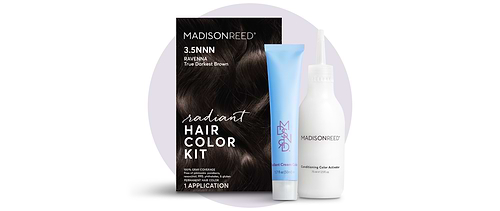
Madison Reed does not offer henna or other plant-based hair dyes. Our formulas are chemical hair color built to a specific ingredient standard, not plant-derived dyes.
How the labels compare
Because most of these labels are unregulated, the meaningful comparison is between the specific ingredient standards behind them, not the words themselves:
What to look for instead of a label
Because "natural," "clean," and "non-toxic" are all unregulated, the label itself doesn't tell you what's in or out of a formula. A more reliable approach:
- Read the full ingredient list. Cosmetic ingredients in the US are listed in the standardized INCI format (International Nomenclature of Cosmetic Ingredients). Any ingredient in the product should be on the label.
- Look for brands that specify what's excluded - and what's used instead. A named exclusion list (like Smart 8-Free) tells you exactly what it is formulated without; brands that also name their alternative ingredients are being transparent about the swaps.
- Look for third-party certifications. Where a claim is verified by an outside body (like Leaping Bunny for cruelty-free), the certification is more meaningful than the word alone.
- Patch test every time. Regardless of what the label says - "natural," "clean," or otherwise - any hair color can cause a reaction in a sensitive individual. A 48-hour patch test before every application is recommended by dermatologists and cosmetic regulators.
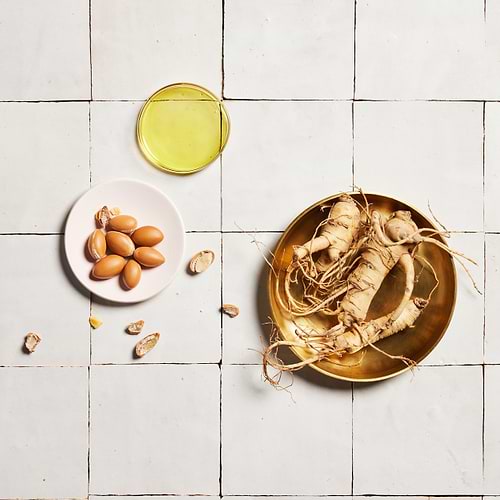
Madison Reed doesn't market our color as "natural" or "clean." We don't offer plant-based dyes, and we've chosen not to use terms without standard definitions. What we do specify: our Smart 8-Free formula standard names exactly what's we formulate without (ammonia, PPD, resorcinol, parabens, phthalates, gluten, SLS, titanium dioxide), and every formula names what's included in the nourishing base (keratin, argan oil, ginseng root extract).