Skip to Main Content

August 25, 2025

Is My Hair Color Warm, Cool or Neutral?

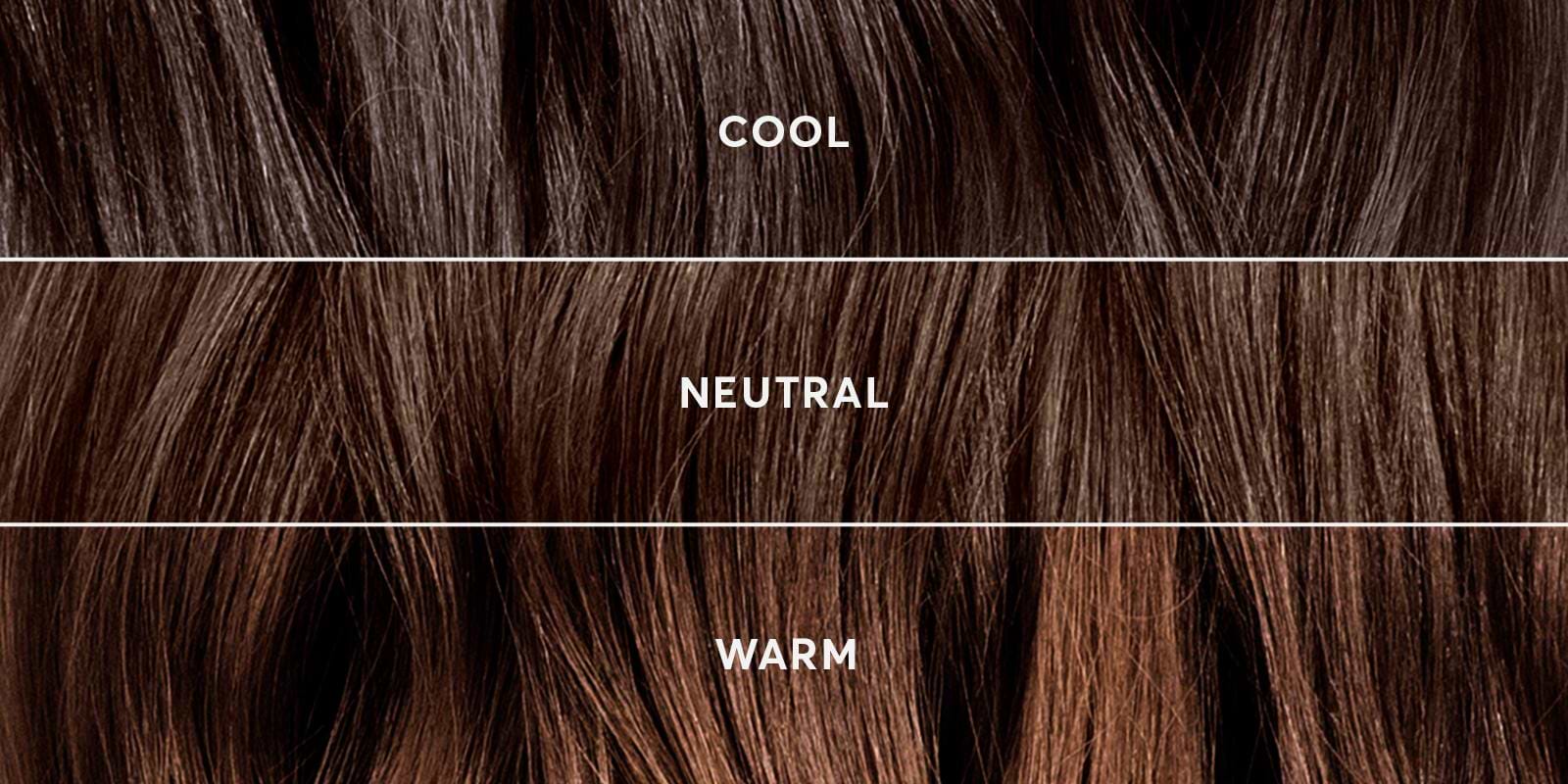
Hair color chart showing warm, cool, and neutral tones

Image by Madison Reed

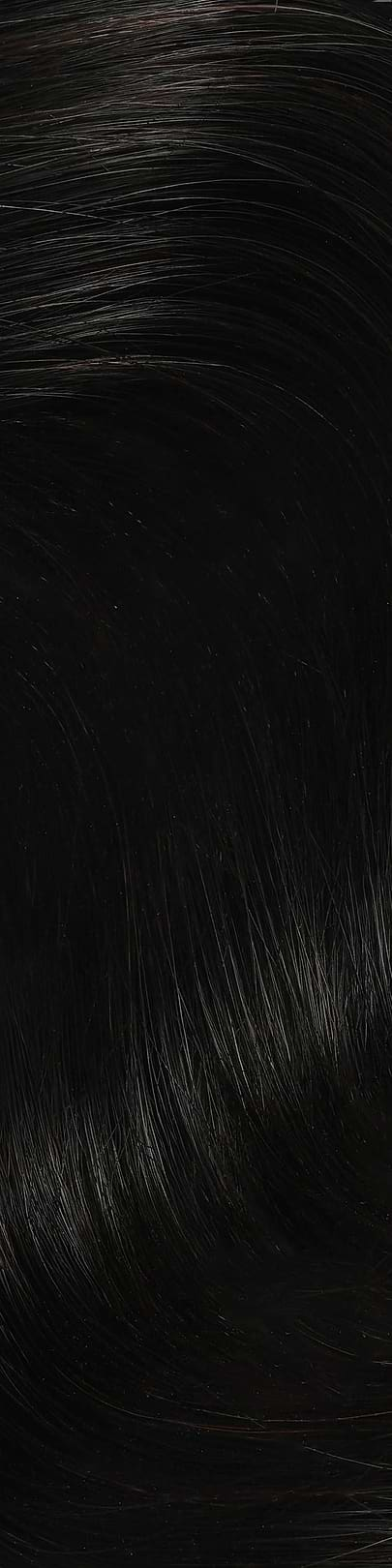
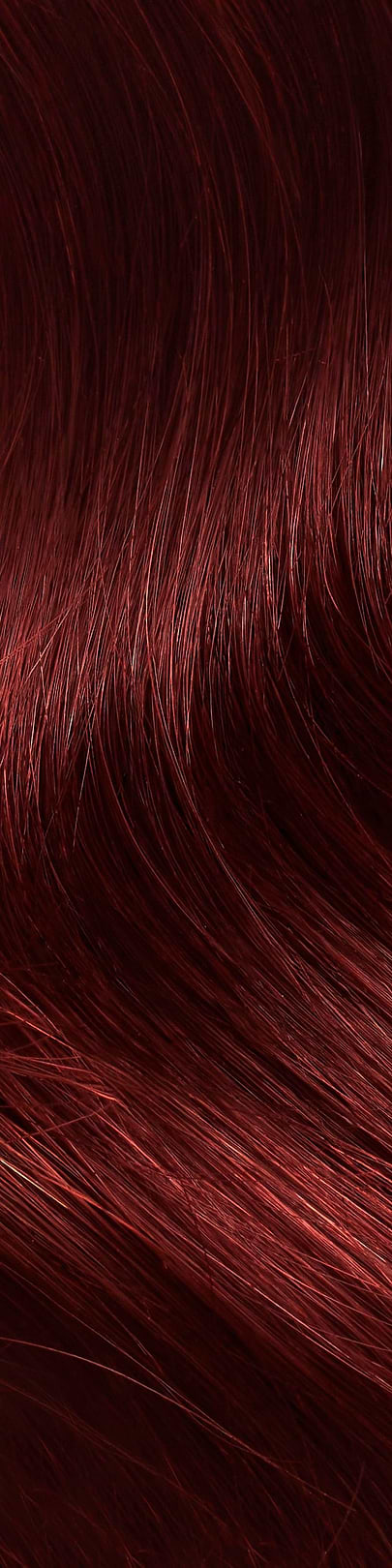
Your hair color is warm if it carries red, orange, or gold tones (think honey blonde, golden brown, auburn, or copper), and cool if it carries blue, violet, or ash tones (think platinum blonde, smoky brown, burgundy red, or caviar black). Neutral shades sit in between warm and cool, so they read balanced on almost anyone.

You know what color your hair is, how light or dark. What you might not know is whether your hair color is warm, cool, or neutral in tone. If you color your hair lighter or darker, it can change your whole look. Taking your color warmer or cooler is certainly less drastic, but it’s still a fun way to mix things up. All you need is the right semi-permanent color and you’re in business.

Warm or Cool Hair Colors?

So what's the deal with warm vs cool hair colors? Warm shades with red, orange and gold tones—like honey blonde, golden brown, rich auburn or bright copper—bring out color in your cheeks and add warmth to your complexion. Cool shades with blue, violet and ash tones—like platinum blonde, smoky brown, burgundy red and caviar black—cool down your complexion and neutralize redness in your skin. Take a warm shade and a cool shade at exactly the same level, and you’ll see two very different looks.

If you’re a warm caramel brunette, all this talk of tones might have you wondering how an ashier brown color might look on you. We’d be curious, too. You could commit to a new shade of permanent color... or you could try Color Reviving Gloss, a fantastic way to play with different tones and add healthy-looking shine while you’re at it. Gloss adds a semi-permanent tint that washes out gradually over several weeks... so no pressure. Here’s how to play this game of tones:

If You Want to Cool Down Your Color

Want to test whether cool or warm hair suits you better? Try a gloss that adds cool tones:

Try Espresso Gloss to add cool tones to brunette hair. This ash shade helps to counteract orange tones that can show through on brunette hair. If you have light brunette hair, Espresso will take you temporarily darker as well.

Cool-toned brunette hair after using Madison Reed Espresso Gloss


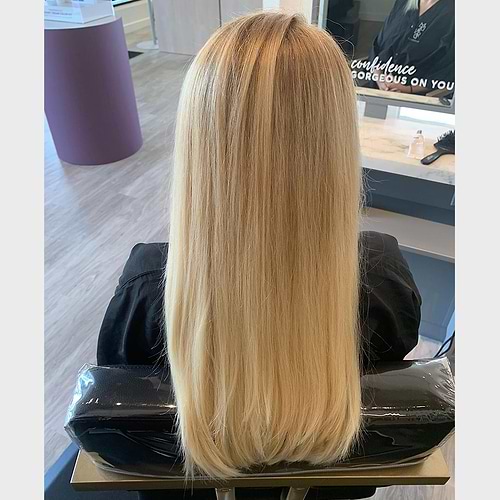
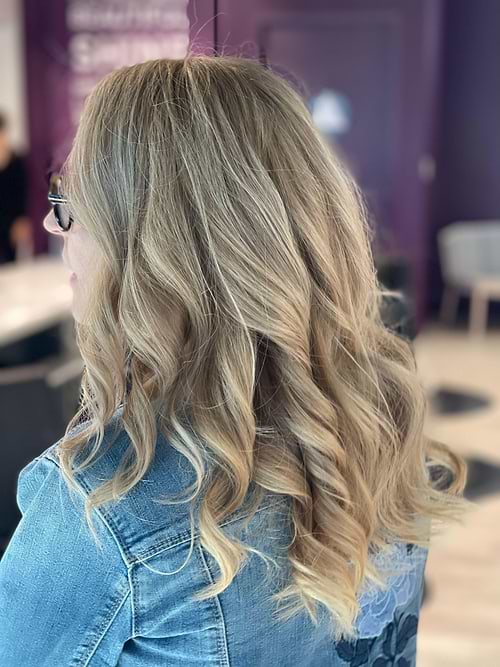
Try Crema Gloss to add cool tones to blonde hair. This shade helps to counteract yellow and brassy tones that can show through on blonde hair. You can also use Crema to neutralize warmth in gray hair.

Blonde hair with cool tones after applying Crema Gloss

If You Want to Warm Up Your Hair Shades

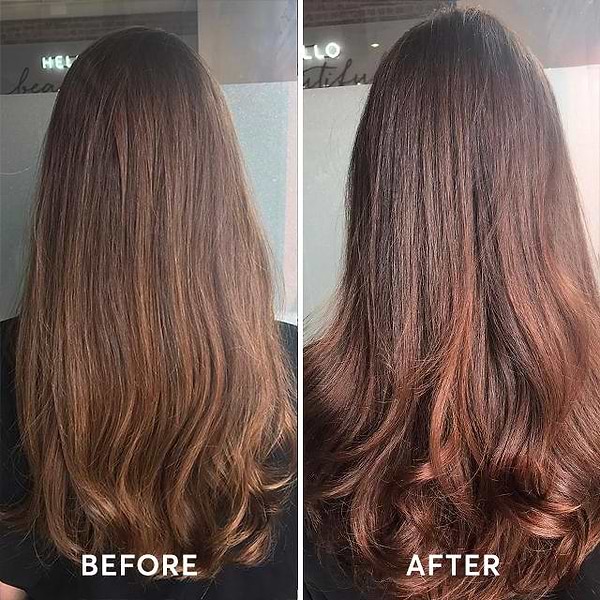
Try Amaretto Gloss to add warmth to any shade of brunette hair. This bronze caramel shade is a serious show-stopper.

Warm bronze caramel tones on brunette hair after Amaretto Gloss


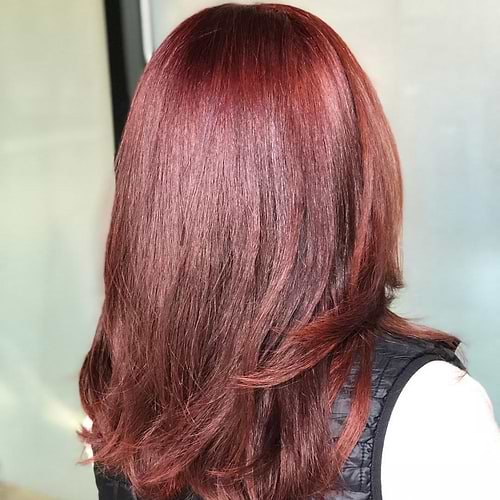
Try Barolo Gloss to add warm red tones to your existing color. Apply on brunette hair to see what it's like to have auburn toned hair for a few weeks, or apply to existing red or copper color that might be faded to give it a major boost.

Plum and then Some - Before - Dark

Find Your Perfect Shade

Take our 2 minute quiz to get your colorist-approved hair color match!

Take the quiz
Cool auburn effect on brunette hair after using Barolo Gloss


Try Cannella Gloss to add warm copper tones to lighter shades of red or brunette hair.

Light red hair enhanced with warm golden tones from Cannella Gloss


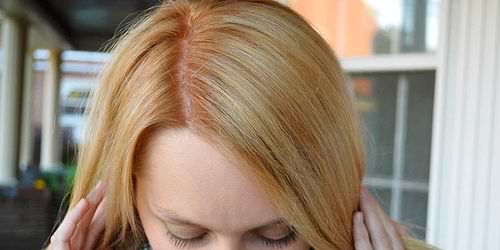
Try Miele Gloss to add warm honey tones to dark blonde or light brunette hair.

Warm honey tones on dark blonde hair after Miele Gloss application

Gloss to Maintain Your Tone

Gloss also works beautifully to enhance the tone of your current hair color. For example, if your smoky brunette shade has a tendency to turn reddish over time, use Espresso Gloss to neutralize that unwanted brassiness.

By using glosses to experiment, you can explore different undertones and figure out whether your hair is warm or cool, all without committing to a permanent color. Trying both sides of the cool vs warm hair color spectrum is a great way to find your best look. So go ahead - have fun and stay cool. Or don't... the choice is yours.

Read also: How to Tone Hair at Home?

What Are Warm Hair Colors?

Warm hair colors are shades built on red, orange, and gold pigments. They read golden, coppery, or bronze in the light and add warmth to your complexion, bringing out color in your cheeks. Common warm shades include honey blonde, golden or caramel brown, rich auburn, and bright copper. In a shade code, the warm tones are G (gold), C (copper), R (red), and M (mahogany), so if you see those letters, the shade leans warm. If you want to lean warmer without committing to permanent color, a warm-toned gloss like Amaretto, Cannella, or Miele is an easy way to try it.

What Are Cool Hair Colors?

Cool hair colors are shades built on blue, violet, and ash pigments. They read smoky, icy, or ashy and cool down your complexion by neutralizing redness in the skin. Common cool shades include platinum blonde, smoky or ashy brown, burgundy red, and caviar black. In a shade code, the cool tones are A (ash) and V (violet), while N (neutral) sits in between and reads true on almost anyone. To test a cooler tone without a permanent change, a cool-toned gloss like Espresso or Crema adds cool tones that wash out gradually.

Read also:How to Tone Hair at Home?andHair Color Chart: Find Your Level, Tone & Perfect Shade

Share Your Photos: #MADISONREEDCOLOR